The Art of Decoding Problematic Behavior in the Workplace:

A Practical Guide for Leaders, HR, and Therapists

Why it matters
Problematic behaviors — like chronic lateness, passive-aggression, resistance to feedback, or conflict-seeking — often mask deeper issues such as stress, unmet needs, miscommunication, or even mental health struggles.

 Core Elements

Spot the Patterns

  • Attendance and punctuality issues
  • Communication breakdowns
  • Emotional volatility
  • Withdrawal or disengagement

Decode the Signals

  • Is the behavior stress-related?
  • Is it a clash of values or personalities?
  • Is it a sign of burnout, boredom, or lack of recognition?

Contextualize

  • Consider organizational culture and leadership style
  • Understand whether this is an individual or systemic issue

Respond Effectively

  • Use active listening before corrective action
  • Provide constructive feedback (focus on behavior, not character)
  • Offer coaching, mediation, or professional support if needed

Prevention & Growth

  • Foster psychological safety
  • Encourage open communication
  • Recognize and reinforce positive behavior

 Workplace leadership training outline:

The Art of Decoding Problematic Behavior in the Workplace

Leadership Training Outline

1. Introduction

  • Define “problematic behavior” in the workplace
  • Why leaders need decoding skills (impact on productivity, morale, retention)
  • Common misconceptions (behavior ≠ personality flaw)

2. Recognizing Problematic Behavior

  • Observable patterns:
  • Chronic lateness or absenteeism
  • Disengagement or withdrawal
  • Resistance to feedback or change
  • Conflict-seeking, gossip, or passive-aggression
  • Interactive activity: Case scenarios for spotting red flags

3. Decoding the Signals

  • Root causes to consider:
  • Stress, burnout, or personal struggles
  • Misaligned expectations or unclear roles
  • Value clashes or team culture mismatch
  • Lack of recognition or growth opportunities
  • Exercise: Leaders practice “reading between the lines” in sample situations

4. Contextualizing Behavior

  • Individual vs. systemic problems
  • The influence of leadership style & organizational culture
  • When it’s a performance issue vs. a well-being issue

5. Effective Leadership Responses

  • Tools for leaders:
  • Active listening and empathy before judgment
  • Giving behavior-focused feedback (SBI model: Situation–Behavior–Impact)
  • Mediation and conflict resolution basics
  • Knowing when to escalate to HR or external support
  • Role-play: Practicing feedback conversations

6. Prevention & Positive Culture Building

  • Establishing psychological safety
  • Recognizing and rewarding positive behavior
  • Setting clear expectations and accountability
  • Building resilience into teams

7. Action Planning & Wrap-Up

  • Leaders create a personal “Behavior Decoding Action Plan”
  • Group discussion: biggest takeaways
  • Resources for continued learning (books, coaching, HR policies)

Shervan K Shahhian

The System of Decoding Problematic Behavior in the Workplace:

The System of Decoding Problematic Behavior in the Workplace:

Here’s how it could be framed if you want to turn it into a guide, article, or training session:

The Art of Decoding Problematic Behavior in the Workplace

A Practical Guide for Leaders, HR, and Therapists

 Why it matters
 Problematic behaviors — like chronic lateness, passive-aggression, resistance to feedback, or conflict-seeking — often mask deeper issues such as stress, unmet needs, miscommunication, or even mental health struggles.

Core Elements

Spot the Patterns

  • Attendance and punctuality issues
  • Communication breakdowns
  • Emotional volatility
  • Withdrawal or disengagement

Decode the Signals

  • Is the behavior stress-related?
  • Is it a clash of values or personalities?
  • Is it a sign of burnout, boredom, or lack of recognition?

Contextualize

  • Consider organizational culture and leadership style
  • Understand whether this is an individual or systemic issue

Respond Effectively

  • Use active listening before corrective action
  • Provide constructive feedback (focus on behavior, not character
  • Offer coaching, mediation, or professional support if needed

Prevention & Growth

  • Foster psychological safety
  • Encourage open communication
  • Recognize and reinforce positive behavior

Here’s a workplace leadership training outline built around your title:

The Art of Decoding Problematic Behavior in the Workplace

Leadership Training Outline

1. Introduction (10 min)

  • Define “problematic behavior” in the workplace
  • Why leaders need decoding skills (impact on productivity, morale, retention)
  • Common misconceptions (behavior ≠ personality flaw)

2. Recognizing Problematic Behavior (20 min)

  • Observable patterns:
  • Chronic lateness or absenteeism
  • Disengagement or withdrawal
  • Resistance to feedback or change
  • Conflict-seeking, gossip, or passive-aggression
  • Interactive activity: Case scenarios for spotting red flags

3. Decoding the Signals (30 min)

  • Root causes to consider:
  • Stress, burnout, or personal struggles
  • Misaligned expectations or unclear roles
  • Value clashes or team culture mismatch
  • Lack of recognition or growth opportunities
  • Exercise: Leaders practice “reading between the lines” in sample situations

4. Contextualizing Behavior (20 min)

  • Individual vs. systemic problems
  • The influence of leadership style & organizational culture
  • When it’s a performance issue vs. a well-being issue

5. Effective Leadership Responses (40 min)

  • Tools for leaders:
  • Active listening and empathy before judgment
  • Giving behavior-focused feedback (SBI model: Situation–Behavior–Impact)
  • Mediation and conflict resolution basics
  • Knowing when to escalate to HR or external support
  • Role-play: Practicing feedback conversations

6. Prevention & Positive Culture Building (20 min)

  • Establishing psychological safety
  • Recognizing and rewarding positive behavior
  • Setting clear expectations and accountability
  • Building resilience into teams

7. Action Planning & Wrap-Up (10 min)

  • Leaders create a personal “Behavior Decoding Action Plan”
  • Group discussion: biggest takeaways
  • Resources for continued learning (books, coaching, HR policies)

 Format options:

  • Half-day training (condensed, focused)
  • Full-day workshop (with extended practice + role-plays)
  • Multi-session leadership development program

Shervan K Shahhian

The Psychology of human behavior in the workplace:

The Psychology of human behavior in the workplace:

The psychology of human behavior in the workplace is a field of study that focuses on understanding how individuals’ thoughts, feelings, and behaviors are influenced by their work environment. It explores various psychological factors that impact work-related attitudes, motivation, performance, and overall well-being.

Here are some key aspects of the psychology of human behavior in the workplace:

Motivation: Understanding what drives individuals to engage in work and perform effectively is crucial. Theories such as Maslow’s hierarchy of needs, Herzberg’s two-factor theory, and self-determination theory shed light on the factors that motivate employees, including intrinsic and extrinsic rewards.

Job satisfaction: Job satisfaction refers to the extent to which individuals find fulfillment and contentment in their work. Factors such as autonomy, opportunities for growth, supportive relationships, and a sense of purpose contribute to job satisfaction. Dissatisfaction can lead to reduced productivity and employee turnover.

Organizational culture: The culture of an organization encompasses its values, norms, beliefs, and practices. A positive and supportive culture promotes employee well-being, engagement, and a sense of belonging. It can influence how individuals perceive their work environment and their level of commitment to the organization.

Leadership and management: Effective leadership plays a crucial role in shaping employee behavior and organizational outcomes. Different leadership styles, such as transformational, transactional, and servant leadership, can impact employee motivation, satisfaction, and performance.

Communication and collaboration: Effective communication within the workplace is essential for fostering collaboration, resolving conflicts, and building trust among employees. Open and transparent communication channels enhance employee engagement and facilitate a positive work environment.

Work-life balance: Achieving a healthy work-life balance is important for employee well-being and productivity. Organizations that prioritize work-life balance initiatives, such as flexible work arrangements and employee support programs, can promote job satisfaction and reduce stress levels.

Stress and burnout: Excessive workload, tight deadlines, and a lack of resources can contribute to workplace stress and burnout. Understanding the causes and consequences of stress is crucial for implementing strategies to support employee well-being and prevent burnout.

Diversity and inclusion: The impact of diversity and inclusion in the workplace cannot be overlooked. Recognizing and valuing individual differences, promoting a diverse workforce, and creating an inclusive environment enhance employee satisfaction, creativity, and organizational performance.

Team dynamics: Collaboration and teamwork are essential in many work settings. Understanding group dynamics, team roles, and the factors that influence team effectiveness can improve collaboration, decision-making, and overall productivity.

Work engagement: Work engagement refers to the level of energy, dedication, and absorption individuals experience in their work. Engaged employees are more likely to be motivated, perform at higher levels, and experience greater job satisfaction.

By understanding the psychology of human behavior in the workplace, organizations can create environments that promote employee well-being, motivation, and performance, ultimately leading to better outcomes for both individuals and the organization as a whole.

Shervan K Shahhian
Shervan K Shahhian

Written by Shervan K Shahhian

0 Followers

Edit profile

More from Shervan K Shahhian

The very important study of Forensic psychology and the law:

Shervan K Shahhian

Shervan K Shahhian

The very important study of Forensic psychology and the law:

Forensic psychology is a specialized field that combines principles of psychology and the law. It involves the application of psychological…

2 min read·1 day ago

The Educational psychology of human learning?

Shervan K Shahhian

Shervan K Shahhian

The Educational psychology of human learning?

Educational psychology is a field that focuses on understanding how individuals learn and develop within educational settings. It explores…

2 min read·1 day ago

The scientific study Ecological psychology?

Shervan K Shahhian

Shervan K Shahhian

The scientific study Ecological psychology?

Ecological psychology is a branch of psychology that focuses on the relationship between an individual and their environment. It emerged as…

2 min read·1 day ago

What are the Addictive Disorders?

Shervan K Shahhian

Shervan K Shahhian

What are the Addictive Disorders?

Addictive disorders, also known as substance use disorders or addiction, are a group of conditions characterized by compulsive and…

2 min read·1 day ago

See all from Shervan K Shahhian

Recommended from Medium

We just witnessed the deadliest shipwreck in years. The world barely flinched.

Melissa Fleming

Melissa Fleming

We just witnessed the deadliest shipwreck in years. The world barely flinched.

It’s a date that should go down in history — a stain on our collective conscience. On June 14th, 2023, the Adriana, a fishing boat…

4 min read·5 days ago

10.4K

141

What Really Happens to a Human Body at Titanic Depths

JP Brown

JP Brown

What Really Happens to a Human Body at Titanic Depths

A Millisecond-by-Millisecond Explanation

·4 min read·Jun 22

29K

342

Lists

A screenshot of a Threads feed showing posts from Star Wars, Netflix, and Disney.

Staff Picks

394 stories·146 saves

Stories to Help You Level-Up at Work

19 stories·133 saves

Self-Improvement 101

20 stories·245 saves

Productivity 101

20 stories·261 saves

4 Simple Habits for Peace of Mind

Nick Wignall

Nick Wignall

4 Simple Habits for Peace of Mind

#1: Manage stressors, not stress

·9 min read·Jul 2

3.2K

62

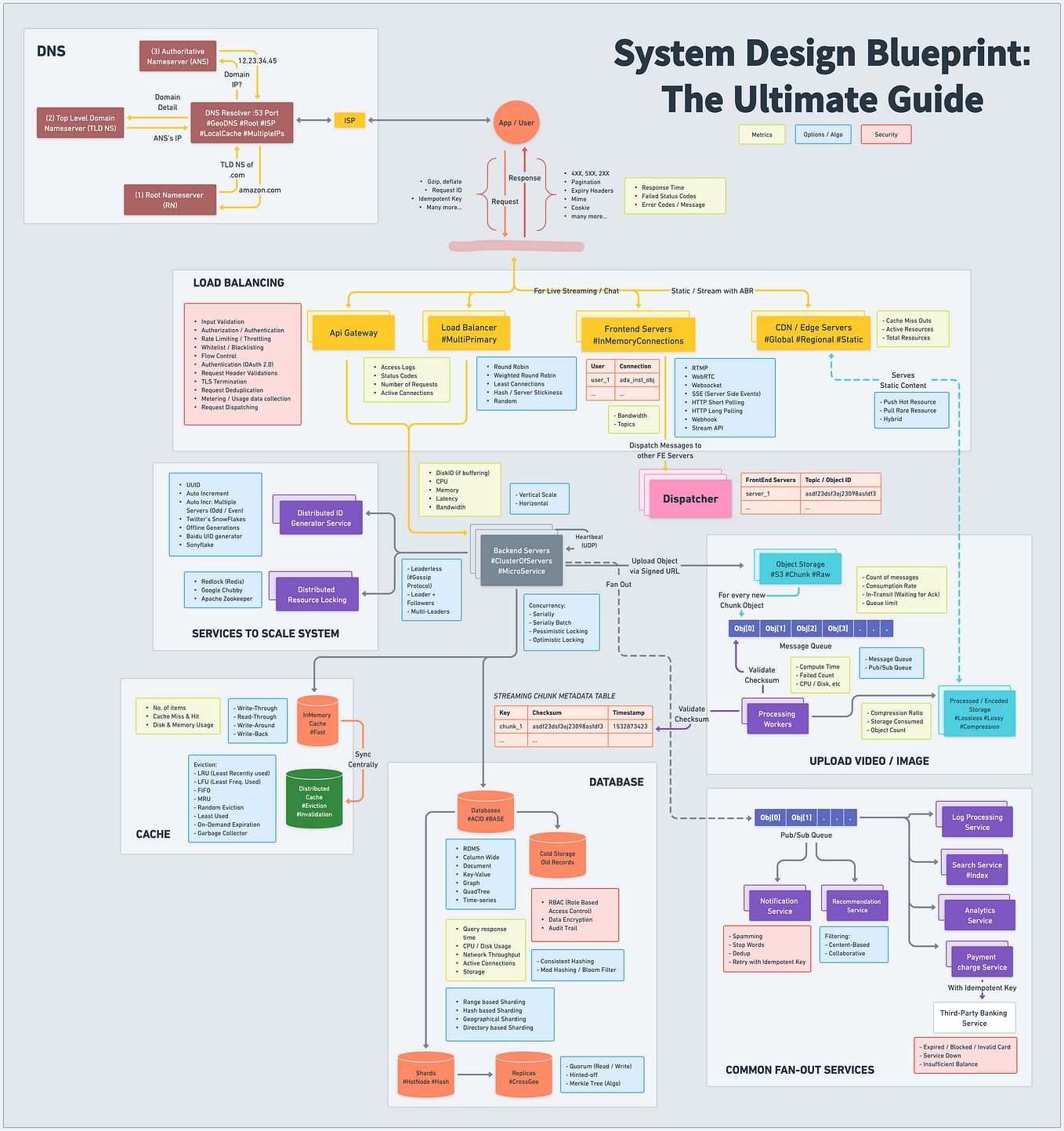
System Design Blueprint: The Ultimate Guide

Love Sharma

Love Sharma

in

ByteByteGo System Design Alliance

System Design Blueprint: The Ultimate Guide

Developing a robust, scalable, and efficient system can be daunting. However, understanding the key concepts and components can make the…

·9 min read·Apr 20

5.7K

48

Why Experienced Programmers Fail Coding Interviews

The Coding Diaries

The Coding Diaries

in

The Coding Diaries

Why Experienced Programmers Fail Coding Interviews

A friend of mine recently joined a FAANG company as an engineering manager, and found themselves in the position of recruiting for…

·5 min read·Nov 1, 2022

4.8K

106

A 3D vector space illustrated as space with stars and a rocket.

Leonie Monigatti

Leonie Monigatti

in

Towards Data Science

Explaining Vector Databases in 3 Levels of Difficulty

From noob to expert: Demystifying vector databases across different backgrounds

·8 min read·Jul 4

997

11

See more recommendations

Help

Status

Writers

Blog

Careers

Privacy

Terms

About

Text to speech

Teams