The Art of Decoding Problematic Behavior in the Workplace:

A Practical Guide for Leaders, HR, and Therapists

Why it matters
Problematic behaviors — like chronic lateness, passive-aggression, resistance to feedback, or conflict-seeking — often mask deeper issues such as stress, unmet needs, miscommunication, or even mental health struggles.

 Core Elements

Spot the Patterns

  • Attendance and punctuality issues
  • Communication breakdowns
  • Emotional volatility
  • Withdrawal or disengagement

Decode the Signals

  • Is the behavior stress-related?
  • Is it a clash of values or personalities?
  • Is it a sign of burnout, boredom, or lack of recognition?

Contextualize

  • Consider organizational culture and leadership style
  • Understand whether this is an individual or systemic issue

Respond Effectively

  • Use active listening before corrective action
  • Provide constructive feedback (focus on behavior, not character)
  • Offer coaching, mediation, or professional support if needed

Prevention & Growth

  • Foster psychological safety
  • Encourage open communication
  • Recognize and reinforce positive behavior

 Workplace leadership training outline:

The Art of Decoding Problematic Behavior in the Workplace

Leadership Training Outline

1. Introduction

  • Define “problematic behavior” in the workplace
  • Why leaders need decoding skills (impact on productivity, morale, retention)
  • Common misconceptions (behavior ≠ personality flaw)

2. Recognizing Problematic Behavior

  • Observable patterns:
  • Chronic lateness or absenteeism
  • Disengagement or withdrawal
  • Resistance to feedback or change
  • Conflict-seeking, gossip, or passive-aggression
  • Interactive activity: Case scenarios for spotting red flags

3. Decoding the Signals

  • Root causes to consider:
  • Stress, burnout, or personal struggles
  • Misaligned expectations or unclear roles
  • Value clashes or team culture mismatch
  • Lack of recognition or growth opportunities
  • Exercise: Leaders practice “reading between the lines” in sample situations

4. Contextualizing Behavior

  • Individual vs. systemic problems
  • The influence of leadership style & organizational culture
  • When it’s a performance issue vs. a well-being issue

5. Effective Leadership Responses

  • Tools for leaders:
  • Active listening and empathy before judgment
  • Giving behavior-focused feedback (SBI model: Situation–Behavior–Impact)
  • Mediation and conflict resolution basics
  • Knowing when to escalate to HR or external support
  • Role-play: Practicing feedback conversations

6. Prevention & Positive Culture Building

  • Establishing psychological safety
  • Recognizing and rewarding positive behavior
  • Setting clear expectations and accountability
  • Building resilience into teams

7. Action Planning & Wrap-Up

  • Leaders create a personal “Behavior Decoding Action Plan”
  • Group discussion: biggest takeaways
  • Resources for continued learning (books, coaching, HR policies)

Shervan K Shahhian

The System of Decoding Problematic Behavior in the Workplace:

The System of Decoding Problematic Behavior in the Workplace:

Here’s how it could be framed if you want to turn it into a guide, article, or training session:

The Art of Decoding Problematic Behavior in the Workplace

A Practical Guide for Leaders, HR, and Therapists

 Why it matters
 Problematic behaviors — like chronic lateness, passive-aggression, resistance to feedback, or conflict-seeking — often mask deeper issues such as stress, unmet needs, miscommunication, or even mental health struggles.

Core Elements

Spot the Patterns

  • Attendance and punctuality issues
  • Communication breakdowns
  • Emotional volatility
  • Withdrawal or disengagement

Decode the Signals

  • Is the behavior stress-related?
  • Is it a clash of values or personalities?
  • Is it a sign of burnout, boredom, or lack of recognition?

Contextualize

  • Consider organizational culture and leadership style
  • Understand whether this is an individual or systemic issue

Respond Effectively

  • Use active listening before corrective action
  • Provide constructive feedback (focus on behavior, not character
  • Offer coaching, mediation, or professional support if needed

Prevention & Growth

  • Foster psychological safety
  • Encourage open communication
  • Recognize and reinforce positive behavior

Here’s a workplace leadership training outline built around your title:

The Art of Decoding Problematic Behavior in the Workplace

Leadership Training Outline

1. Introduction (10 min)

  • Define “problematic behavior” in the workplace
  • Why leaders need decoding skills (impact on productivity, morale, retention)
  • Common misconceptions (behavior ≠ personality flaw)

2. Recognizing Problematic Behavior (20 min)

  • Observable patterns:
  • Chronic lateness or absenteeism
  • Disengagement or withdrawal
  • Resistance to feedback or change
  • Conflict-seeking, gossip, or passive-aggression
  • Interactive activity: Case scenarios for spotting red flags

3. Decoding the Signals (30 min)

  • Root causes to consider:
  • Stress, burnout, or personal struggles
  • Misaligned expectations or unclear roles
  • Value clashes or team culture mismatch
  • Lack of recognition or growth opportunities
  • Exercise: Leaders practice “reading between the lines” in sample situations

4. Contextualizing Behavior (20 min)

  • Individual vs. systemic problems
  • The influence of leadership style & organizational culture
  • When it’s a performance issue vs. a well-being issue

5. Effective Leadership Responses (40 min)

  • Tools for leaders:
  • Active listening and empathy before judgment
  • Giving behavior-focused feedback (SBI model: Situation–Behavior–Impact)
  • Mediation and conflict resolution basics
  • Knowing when to escalate to HR or external support
  • Role-play: Practicing feedback conversations

6. Prevention & Positive Culture Building (20 min)

  • Establishing psychological safety
  • Recognizing and rewarding positive behavior
  • Setting clear expectations and accountability
  • Building resilience into teams

7. Action Planning & Wrap-Up (10 min)

  • Leaders create a personal “Behavior Decoding Action Plan”
  • Group discussion: biggest takeaways
  • Resources for continued learning (books, coaching, HR policies)

 Format options:

  • Half-day training (condensed, focused)
  • Full-day workshop (with extended practice + role-plays)
  • Multi-session leadership development program

Shervan K Shahhian

Status Quo Bias:

Status Quo Bias:

Status Quo Bias is a cognitive bias that leads people to prefer things to stay the same rather than change, even when a change could lead to better outcomes. This tendency is rooted in a desire for stability, comfort, and fear of potential losses or regret.

Key Characteristics:

Preference for the current state: Individuals tend to see the current situation as baseline and assume it is best.

Loss aversion: The potential losses from change are often perceived as greater than the potential gains.

Omission bias: People prefer inaction (keeping things as they are) over action that could lead to an uncertain result.

Resistance to new options: Even when presented with better alternatives, people might stick with familiar ones (e.g., keeping the same job, brand, or service).

Examples:

A patient refusing to switch medications even if the new one has better success rates.

An employee reluctant to adopt a new workflow or software.

Voters opposing policy changes just because the current system is familiar.

Psychological Roots:

Fear of regret

Comfort in familiarity

Perceived stability and control

Overcoming Status Quo Bias:

Increase awareness of better alternatives through clear, risk-framed comparisons.

Encourage small, gradual changes to reduce resistance.

Use decision aids to weigh pros and cons objectively.

Here are real-world examples of Status Quo Bias in behavioral science:

Investment Behavior

Behavioral Pattern: Many investors hold on to underperforming stocks or fail to rebalance their portfolios due to the emotional comfort of the familiar.

Why? Changing an investment strategy introduces uncertainty and potential regret, so they stick with the status quo — even when evidence suggests a better option.

Healthcare Choices

Patient Behavior: Patients often stick with a long-term doctor or treatment plan, even when new options might be more effective or less costly.

Why? The effort of researching, switching, or fear of making a mistake prevents change. Behavioral scientists note this as a cognitive shortcut to reduce decision complexity.

Public Policy Resistance

Example: Resistance to new environmental regulations, educational reforms, or transportation systems often isn’t based on rational cost-benefit analyses — but on a psychological bias to maintain what’s already in place.

Why? People often overvalue the known risks of the current system and fear the unknown risks of a new one, even when evidence shows the new one is better.

Behavioral Science Insight:

Status quo bias reveals how bounded rationality, emotional inertia, and cognitive ease drive human behavior more than logic or evidence. Behavioral scientists leverage this knowledge to design better defaults, nudge behavior, and structure choices in ways that improve outcomes.

Shervan K Shahhian
Remote Work and Social Isolation:

Remote Work and Social Isolation:

Remote Work and Social Isolation is a significant topic as more people transition to working from home, either full-time or in hybrid roles. While remote work offers flexibility and autonomy, it can also lead to feelings of loneliness, disconnection, and reduced sense of belonging. Here’s a breakdown of the issue:


Why Remote Work Can Cause Social Isolation

  1. Lack of In-Person Interaction
    • No casual conversations at the coffee machine or impromptu desk chats.
    • Fewer opportunities to build deeper personal or professional relationships.
  2. Blurred Work-Life Boundaries
    • People may overwork or struggle to disconnect, reducing time for social life.
    • Home becomes both office and living space, which can feel isolating.
  3. Reduced Team Cohesion
    • Virtual meetings often focus on tasks, with little time for informal bonding.
    • Harder to build trust or camaraderie with colleagues.
  4. Geographic Isolation
    • Workers in rural or remote areas may feel especially disconnected.
    • Less access to coworking spaces or social outlets.

Potential Impacts

  • Mental Health: Increased risk of anxiety, depression, and burnout.
  • Productivity: Isolation can reduce motivation and engagement.
  • Career Development: Missed networking opportunities and mentorship.

Coping Strategies

  1. Deliberate Social Engagement
    • Schedule regular video check-ins with coworkers and friends.
    • Join virtual clubs, coworking groups, or local meetups.
  2. Structure Your Day
    • Set working hours and breaks to avoid overworking.
    • Take walks or exercise during breaks to get fresh air and perspective.
  3. Use Technology Wisely
    • Use platforms like Slack or Teams for both work and casual conversation.
    • Add time for informal chat in virtual meetings.
  4. Seek Hybrid Opportunities
    • If possible, work occasionally from an office or shared space.
    • Attend in-person company events or training sessions.
  5. Talk About It
    • Let your manager or HR know if you’re feeling isolated.
    • Many organizations now offer mental health support and flexibility for social wellness.

Final Thought

Remote work is here to stay for many, but social connection is a human need, not a luxury. Balancing autonomy with connection is key to thriving in a remote environment.

Shervan K Shahhian

The Psychology of human behavior in the workplace:

The Psychology of human behavior in the workplace:

The psychology of human behavior in the workplace is a field of study that focuses on understanding how individuals’ thoughts, feelings, and behaviors are influenced by their work environment. It explores various psychological factors that impact work-related attitudes, motivation, performance, and overall well-being.

Here are some key aspects of the psychology of human behavior in the workplace:

Motivation: Understanding what drives individuals to engage in work and perform effectively is crucial. Theories such as Maslow’s hierarchy of needs, Herzberg’s two-factor theory, and self-determination theory shed light on the factors that motivate employees, including intrinsic and extrinsic rewards.

Job satisfaction: Job satisfaction refers to the extent to which individuals find fulfillment and contentment in their work. Factors such as autonomy, opportunities for growth, supportive relationships, and a sense of purpose contribute to job satisfaction. Dissatisfaction can lead to reduced productivity and employee turnover.

Organizational culture: The culture of an organization encompasses its values, norms, beliefs, and practices. A positive and supportive culture promotes employee well-being, engagement, and a sense of belonging. It can influence how individuals perceive their work environment and their level of commitment to the organization.

Leadership and management: Effective leadership plays a crucial role in shaping employee behavior and organizational outcomes. Different leadership styles, such as transformational, transactional, and servant leadership, can impact employee motivation, satisfaction, and performance.

Communication and collaboration: Effective communication within the workplace is essential for fostering collaboration, resolving conflicts, and building trust among employees. Open and transparent communication channels enhance employee engagement and facilitate a positive work environment.

Work-life balance: Achieving a healthy work-life balance is important for employee well-being and productivity. Organizations that prioritize work-life balance initiatives, such as flexible work arrangements and employee support programs, can promote job satisfaction and reduce stress levels.

Stress and burnout: Excessive workload, tight deadlines, and a lack of resources can contribute to workplace stress and burnout. Understanding the causes and consequences of stress is crucial for implementing strategies to support employee well-being and prevent burnout.

Diversity and inclusion: The impact of diversity and inclusion in the workplace cannot be overlooked. Recognizing and valuing individual differences, promoting a diverse workforce, and creating an inclusive environment enhance employee satisfaction, creativity, and organizational performance.

Team dynamics: Collaboration and teamwork are essential in many work settings. Understanding group dynamics, team roles, and the factors that influence team effectiveness can improve collaboration, decision-making, and overall productivity.

Work engagement: Work engagement refers to the level of energy, dedication, and absorption individuals experience in their work. Engaged employees are more likely to be motivated, perform at higher levels, and experience greater job satisfaction.

By understanding the psychology of human behavior in the workplace, organizations can create environments that promote employee well-being, motivation, and performance, ultimately leading to better outcomes for both individuals and the organization as a whole.

Shervan K Shahhian

Shervan K Shahhian

Written by Shervan K Shahhian

0 Followers

Edit profile

More from Shervan K Shahhian

The very important study of Forensic psychology and the law:

Shervan K Shahhian

Shervan K Shahhian

The very important study of Forensic psychology and the law:

Forensic psychology is a specialized field that combines principles of psychology and the law. It involves the application of psychological…

2 min read·1 day ago

The Educational psychology of human learning?

Shervan K Shahhian

Shervan K Shahhian

The Educational psychology of human learning?

Educational psychology is a field that focuses on understanding how individuals learn and develop within educational settings. It explores…

2 min read·1 day ago

The scientific study Ecological psychology?

Shervan K Shahhian

Shervan K Shahhian

The scientific study Ecological psychology?

Ecological psychology is a branch of psychology that focuses on the relationship between an individual and their environment. It emerged as…

2 min read·1 day ago

What are the Addictive Disorders?

Shervan K Shahhian

Shervan K Shahhian

What are the Addictive Disorders?

Addictive disorders, also known as substance use disorders or addiction, are a group of conditions characterized by compulsive and…

2 min read·1 day ago

See all from Shervan K Shahhian

Recommended from Medium

We just witnessed the deadliest shipwreck in years. The world barely flinched.

Melissa Fleming

Melissa Fleming

We just witnessed the deadliest shipwreck in years. The world barely flinched.

It’s a date that should go down in history — a stain on our collective conscience. On June 14th, 2023, the Adriana, a fishing boat…

4 min read·5 days ago

10.4K

141

What Really Happens to a Human Body at Titanic Depths

JP Brown

JP Brown

What Really Happens to a Human Body at Titanic Depths

A Millisecond-by-Millisecond Explanation

·4 min read·Jun 22

29K

342

Lists

A screenshot of a Threads feed showing posts from Star Wars, Netflix, and Disney.

Staff Picks

394 stories·146 saves

Stories to Help You Level-Up at Work

19 stories·133 saves

Self-Improvement 101

20 stories·245 saves

Productivity 101

20 stories·261 saves

4 Simple Habits for Peace of Mind

Nick Wignall

Nick Wignall

4 Simple Habits for Peace of Mind

#1: Manage stressors, not stress

·9 min read·Jul 2

3.2K

62

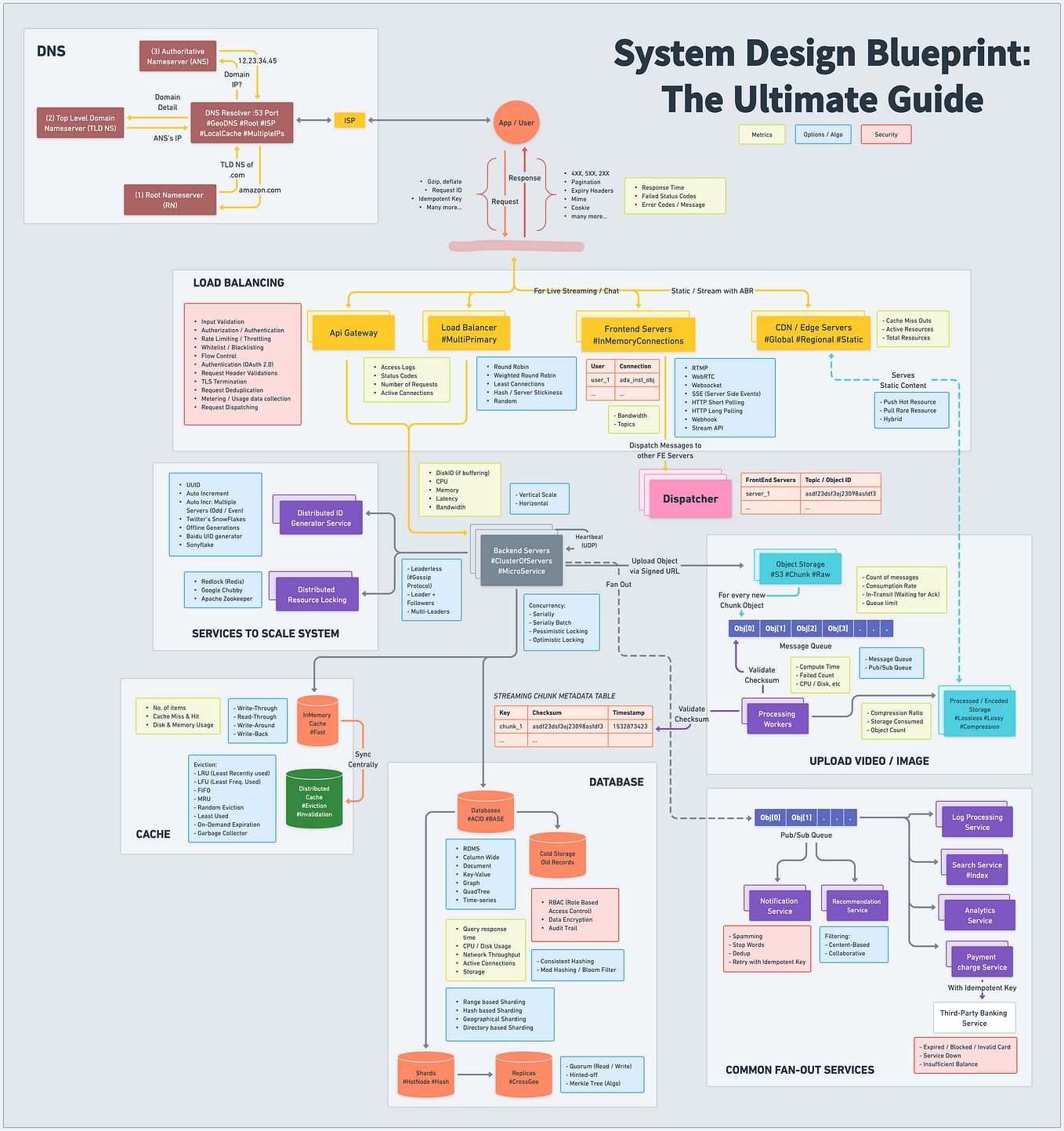
System Design Blueprint: The Ultimate Guide

Love Sharma

Love Sharma

in

ByteByteGo System Design Alliance

System Design Blueprint: The Ultimate Guide

Developing a robust, scalable, and efficient system can be daunting. However, understanding the key concepts and components can make the…

·9 min read·Apr 20

5.7K

48

Why Experienced Programmers Fail Coding Interviews

The Coding Diaries

The Coding Diaries

in

The Coding Diaries

Why Experienced Programmers Fail Coding Interviews

A friend of mine recently joined a FAANG company as an engineering manager, and found themselves in the position of recruiting for…

·5 min read·Nov 1, 2022

4.8K

106

A 3D vector space illustrated as space with stars and a rocket.

Leonie Monigatti

Leonie Monigatti

in

Towards Data Science

Explaining Vector Databases in 3 Levels of Difficulty

From noob to expert: Demystifying vector databases across different backgrounds

·8 min read·Jul 4

997

11

See more recommendations

Help

Status

Writers

Blog

Careers

Privacy

Terms

About

Text to speech

Teams

Professional Socialization, what does that mean:

Professional Socialization, what does that mean:

Professional socialization refers to the process through which individuals acquire the values, attitudes, behaviors, and skills necessary to function as members of a particular profession or occupational group. It involves the transmission of the culture, norms, and expectations of a profession to individuals as they enter and progress within that profession.

This process typically occurs through formal education, training programs, mentorship, and workplace experiences. Professional socialization helps individuals integrate into their chosen professional community, understand its ethical standards, and adopt the accepted practices and behaviors.

Key elements of professional socialization include:

Education and Training: Formal education and training programs provide foundational knowledge and skills required for a specific profession.

Role Modeling: Individuals often learn by observing and emulating the behavior of experienced professionals who serve as role models. This can happen through mentorship or workplace interactions.

Organizational Culture: Professionals become socialized into the culture of the organizations or institutions where they work. This includes understanding the norms, values, and expectations of the workplace.

Peer Interaction: Interactions with peers within the profession contribute to socialization. Peer groups may provide support, share experiences, and reinforce professional norms.

Continuing Education: Professional socialization is an ongoing process that continues throughout a person’s career. Continuing education, conferences, and workshops play a role in keeping professionals updated on changes in their field.

The goal of professional socialization is to ensure that individuals entering a profession not only possess the necessary technical skills but also align with the ethical and cultural aspects of the profession. It helps maintain professional standards and contributes to the cohesion and identity of the professional community.

Shervan K Shahhian

Professional Socialization, what is it:

Professional socialization, what is it:

Professional socialization refers to the process through which individuals acquire the knowledge, skills, attitudes, and behaviors necessary to function effectively within a specific profession or occupational group. This process typically occurs as individuals transition from being novices to becoming fully integrated and competent members of their chosen professional community.

Professional socialization involves learning not only the technical aspects of a profession but also the cultural norms, values, ethics, and social expectations associated with it. This process can take place through formal education, on-the-job training, mentorship, social interactions with colleagues, and exposure to the professional environment.

Key components of professional socialization include:

Education and Training: Formal education programs, such as academic degrees, certifications, and vocational training, provide individuals with foundational knowledge and skills related to their profession.

Mentorship: Guidance from experienced professionals helps newcomers navigate the complexities of their field, offering insights into best practices, ethical considerations, and unwritten rules.

Organizational Culture: Professionals learn about the values, norms, and expectations of their specific workplace or industry. This includes understanding how decisions are made, communication styles, and the overall work environment.

Role Modeling: Observing and emulating the behavior of experienced professionals can be a powerful way for individuals to learn the expected conduct within their profession.

Social Interaction: Networking, participating in professional associations, and engaging with colleagues contribute to a deeper understanding of the social aspects of the profession. This includes building relationships, collaboration, and effective communication.

Continuing Education: Given the dynamic nature of many professions, ongoing learning and staying updated on industry trends and advancements are crucial for maintaining competence.

Professional socialization is essential for creating a sense of identity and belonging within a professional community. It helps individuals adapt to the values and expectations of their chosen field, fostering a shared understanding of what it means to be a competent and ethical professional.

Shervan K Shahhian

Objective Behavioral Measurement, what is it:

Objective behavioral measurement, what is it:

Objective behavioral measurement refers to the systematic and quantifiable assessment of observable behaviors or actions, without relying on subjective interpretations or self-reports. This approach aims to gather data based on direct observations of behavior, providing more concrete and reliable information compared to subjective measures.

Key features of objective behavioral measurement include:

Observable Behaviors: The focus is on actions or behaviors that can be directly observed and recorded. These behaviors are typically specific, measurable, and tangible.

Quantifiability: Objective behavioral measurement involves the use of numerical data to describe and quantify behaviors. This allows for statistical analysis and the identification of patterns or trends.

Systematic Observation: The process is structured and systematic, often involving predefined criteria or coding systems for recording behaviors. This helps ensure consistency and reliability in the data collection process.

Minimization of Bias: Objective measurements aim to minimize biases and subjectivity associated with subjective assessments. The emphasis is on capturing what is actually observed rather than relying on individuals’ interpretations or perceptions.

Standardization: Standardized procedures and criteria are often used in objective behavioral measurement to enhance the reliability and validity of the collected data. This allows for comparisons across different individuals or settings.

Objective behavioral measurement is widely used in various fields such as psychology, education, healthcare, and organizational behavior. Examples include the use of behavioral assessments, structured observations, and coding systems to measure specific behaviors or responses in a controlled and systematic manner. This type of measurement is valuable in research, clinical assessments, and interventions where accurate and reliable data on behavior are essential.

Shervan K Shahhian

Objective Behavioral Measurement, what does that mean:

Objective Behavioral Measurement, what does that mean:

Objective Behavioral Measurement refers to the systematic and quantifiable assessment of observable behaviors in a manner that is free from personal biases or subjective interpretations. This approach involves the use of specific and measurable criteria to observe, record, and analyze behaviors in a standardized way. The aim is to gather reliable and objective data about an individual’s behavior for research, assessment, or evaluation purposes.

Key characteristics of objective behavioral measurement include:

Quantifiability: The behaviors are measured in a way that allows for numerical representation, making it easier to analyze and compare data objectively.

Standardization: The measurement process is standardized to ensure consistency across different observers, settings, and time points. This helps in maintaining the reliability and validity of the data.

Direct Observation: Objective behavioral measurement often involves direct observation of the behavior rather than relying on self-reports or subjective interpretations. This reduces the likelihood of biases influencing the data.

Operational Definitions: Behaviors are defined in clear and specific terms, providing a precise description of what is being observed. This helps ensure that different observers interpret and record behaviors in a consistent manner.

Reliability and Validity: Objective behavioral measurement methods aim to be reliable (consistent and replicable) and valid (measuring what they are intended to measure). This enhances the overall quality and accuracy of the collected data.

Common methods used in objective behavioral measurement include behavioral observation, coding systems, checklists, and electronic tracking devices. This approach is widely employed in various fields such as psychology, education, organizational behavior, and clinical assessment to gain a better understanding of human behavior in an objective and systematic manner.

Shervan K Shahhian

The importance of Workplace satisfaction:

The importance of Workplace satisfaction:

Workplace satisfaction is crucial for several reasons, as it directly impacts both employees and organizations. Here are some key reasons why workplace satisfaction is important:

Employee Retention: Satisfied employees are more likely to stay with an organization. High turnover can be costly and disruptive, so retaining skilled and experienced staff is crucial for the stability and success of a company.

Productivity: Satisfied employees are generally more engaged and motivated. They tend to be more productive, as they are likely to put in extra effort and go beyond their basic job responsibilities. A positive work environment fosters creativity and innovation, leading to increased overall productivity.

Employee Well-Being: Workplace satisfaction contributes to the overall well-being of employees. When individuals feel supported, respected, and appreciated at work, it positively impacts their mental and physical health. This, in turn, can lead to reduced absenteeism, lower stress levels, and a better work-life balance.

Company Reputation: A satisfied workforce often speaks positively about their workplace. This positive word-of-mouth can enhance the company’s reputation, making it more attractive to potential employees and customers. A good reputation can be a competitive advantage in the talent market and can positively influence the perception of products and services.

Employee Engagement: Satisfied employees are more likely to be engaged in their work. Engagement is crucial for organizational success as engaged employees are more committed, take initiative, and are willing to invest in the company’s success.

Innovation and Creativity: Job satisfaction fosters a positive and open work environment, which is conducive to innovation and creativity. Employees who feel supported and valued are more likely to share ideas, collaborate, and contribute to the organization’s growth and development.

Customer Satisfaction: Satisfied employees often lead to satisfied customers. Employees who are content in their roles are more likely to provide better customer service, creating positive experiences for clients and customers.

Cost Savings: High turnover and absenteeism can be expensive for organizations. Investing in workplace satisfaction can lead to cost savings by reducing recruitment and training expenses associated with a constantly changing workforce.

Employee Development: Organizations that prioritize employee satisfaction are more likely to invest in professional development and training programs. This not only benefits the employees by enhancing their skills but also contributes to the overall growth and adaptability of the organization.

In summary, workplace satisfaction is a multifaceted aspect that impacts various facets of an organization, from employee well-being and retention to productivity, innovation, and overall company reputation. Prioritizing workplace satisfaction is an investment in the success and sustainability of the organization.

Shervan K Shahhian